


Ethiopian New Year 2019: Discover the Beautiful Story of Enkutatash
Sisay Tilahun
September 9, 2026
Discover the Beautiful Story of Enkutatash
A Celebration of Hope, Family, Flowers, and Ethiopian Heritage
There is something special about arriving in Ethiopia in September. After months of rain, the countryside begins to change. The hills turn green, yellow flowers bloom across the highlands, and the atmosphere becomes full of excitement. Families prepare traditional food, children wear new clothes, and people begin getting ready to welcome a new year.
This is Enkutatash, the Ethiopian New Year.
On September 11, 2026, Ethiopia will welcome the year 2019 according to the Ethiopian calendar. For Ethiopians, this is not simply the beginning of another year. It is a time for family, friendship, faith, culture, and hope. It is a time to remember the past, celebrate the present, and look forward to a new beginning.
If you have ever wanted to understand the heart of Ethiopian culture, Enkutatash is a beautiful place to start.
What Is Enkutatash?
Enkutatash, written in Amharic as እንቁጣጣሽ, is the Ethiopian New Year. It takes place on Meskerem 1, the first day of the Ethiopian calendar. The word Enkutatash is commonly translated as “gift of jewels.” This name is connected to a famous Ethiopian tradition about the Queen of Sheba and her return from Jerusalem. The story has been passed down through generations and remains an important part of the cultural meaning of the holiday. But Enkutatash is about much more than its name. It is a celebration that brings people together. Families visit one another, children sing, traditional food is prepared, and people exchange good wishes for the year ahead. For many Ethiopians living abroad, it is also a special reminder of home. It brings back memories of childhood, family gatherings, traditional food, and the beautiful Ethiopian countryside. When the New Year arrives, people greet each other by saying “Melkam Addis Amet,” which means “Happy New Year.”
Why Does Ethiopia Celebrate New Year in September?
One of the first things visitors notice about Ethiopia is that the country follows its own calendar. While many countries around the world are celebrating 2026, Ethiopia will welcome 2019 on September 11, 2026. The Ethiopian calendar generally falls seven to eight years behind the Gregorian calendar used in most of the world.
This difference comes from historical calendar calculations connected to the date of the birth of Jesus Christ.
The Ethiopian calendar has twelve months of thirty days each, followed by a short thirteenth month called Pagumen. Pagumen contains five days in an ordinary year and six days in a leap year.
The beginning of the Ethiopian year in September is especially beautiful because it comes during a time of seasonal change. The rainy season is coming to an end, the countryside becomes green, and the yellow flowers begin to bloom.
For many Ethiopians, the arrival of the New Year feels like the arrival of a fresh season of life.
It is a time to begin again.
The Beautiful Story of the Queen of Sheba
One of the most interesting stories connected to Enkutatash takes us back to the ancient history of Ethiopia.
According to Ethiopian tradition, the Queen of Sheba was known as Makeda. She was a powerful and wise queen who ruled a kingdom traditionally associated with Ethiopia. The story tells us that she traveled to Jerusalem to meet King Solomon after hearing about his great wisdom and knowledge. Imagine that journey thousands of years ago. The queen traveled with her attendants and brought valuable gifts, including gold, spices, and other treasures. Her visit to King Solomon became one of the most famous stories in Ethiopian tradition. After spending time in Jerusalem, she returned to Ethiopia.
According to the traditional story, the people welcomed her home with gifts of jewels. This is one of the explanations associated with the name Enkutatash, meaning “gift of jewels.” Whether you hear this story from an Ethiopian grandmother, a parent, or a cultural guide, it is a wonderful example of how history and tradition live together in Ethiopia. The story of the Queen of Sheba is not simply about a queen returning from a journey. It is also about welcoming someone home, celebrating an important moment, and sharing happiness with others. That is a beautiful connection to the spirit of the Ethiopian New Year.
The Arrival of Spring and the Yellow Flowers
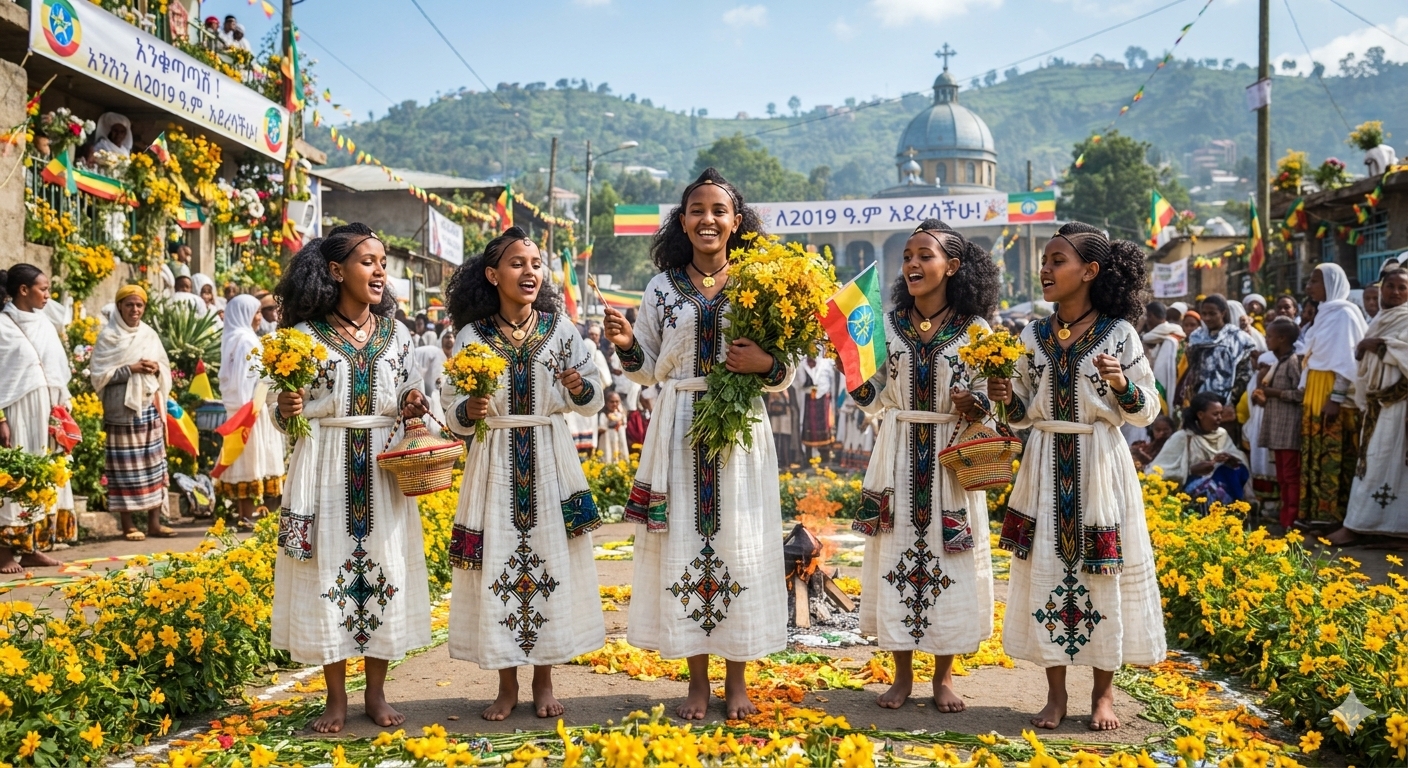
There is another reason why Enkutatash feels so special. Around the time of the Ethiopian New Year, the countryside begins to come alive with beautiful yellow flowers. These flowers are commonly known as Adey Abeba in Amharic. If you travel through the Ethiopian highlands during this season, you may see fields and hills covered with yellow blossoms. The landscape looks fresh, colorful, and full of life. For many Ethiopians, these flowers are a symbol of the New Year. They remind people that the rainy season is ending and a new season is beginning. They represent hope, beauty, and renewal. Children especially enjoy this time of year. Young girls may gather flowers and visit homes with their friends. They sing traditional New Year songs and share the happiness of the celebration. It is easy to understand why these flowers have become such an important part of Enkutatash. They make the arrival of the New Year visible in the countryside. The land itself seems to be celebrating.
The Joy of Children During Enkutatash
One of the sweetest parts of the Ethiopian New Year is watching children celebrate. In many communities, children wear new clothes and gather together with their friends. Young girls may carry yellow flowers and sing songs as they visit homes in their neighborhoods. Their voices bring a special kind of happiness to the celebration. Parents and neighbors welcome them, and the children enjoy sharing the excitement of the New Year. For many Ethiopian children, Enkutatash is a day full of wonderful memories. It is a time for new clothes, family visits, traditional food, singing, and spending time with friends. As people grow older, these childhood memories often remain close to their hearts. Years later, someone living far away from Ethiopia may still remember the sound of children singing on New Year’s Day, the smell of coffee being prepared at home, and the joy of visiting relatives. These are the small moments that make a celebration meaningful.
Preparing the Home for the New Year
Before Enkutatash arrives, many Ethiopian families begin preparing their homes. The house may be cleaned, traditional food is prepared, and families get ready to welcome relatives and friends. In some homes, parents buy new clothes for their children. In others, family members travel from different towns and cities to spend the holiday together. The preparation itself becomes part of the celebration. There is a special feeling when a family is getting ready for an important holiday. The kitchen becomes busy, relatives begin arriving, and everyone looks forward to spending time together. In Ethiopia, hospitality is an important part of family life, and Enkutatash is a wonderful opportunity to share that hospitality with others. A guest who visits an Ethiopian home during the New Year may be welcomed with coffee, food, conversation, and warm wishes.
Traditional Ethiopian Food During Enkutatash
Food is one of the most important parts of Ethiopian celebrations. During Enkutatash, families prepare traditional dishes and gather around the table to enjoy a special meal together. Injera is often at the center of the meal. This traditional Ethiopian flatbread is served with different kinds of stews, vegetables, and meat dishes. Doro wat, a spicy chicken stew made with berbere, onions, and other spices, is a popular dish for major celebrations. Other families may prepare tibs, vegetables, lentils, or their own favorite traditional foods. The food may be different from one family to another, but the meaning is often the same. People are sharing. People are welcoming one another. People are enjoying the company of family and friends. A New Year meal is not just about what is on the plate. It is about the conversations around the table, the laughter, the stories, and the feeling of being together. For visitors to Ethiopia, experiencing a traditional Ethiopian meal during Enkutatash can be a wonderful cultural memory.
The Ethiopian Coffee Ceremony: A Moment of Togetherness
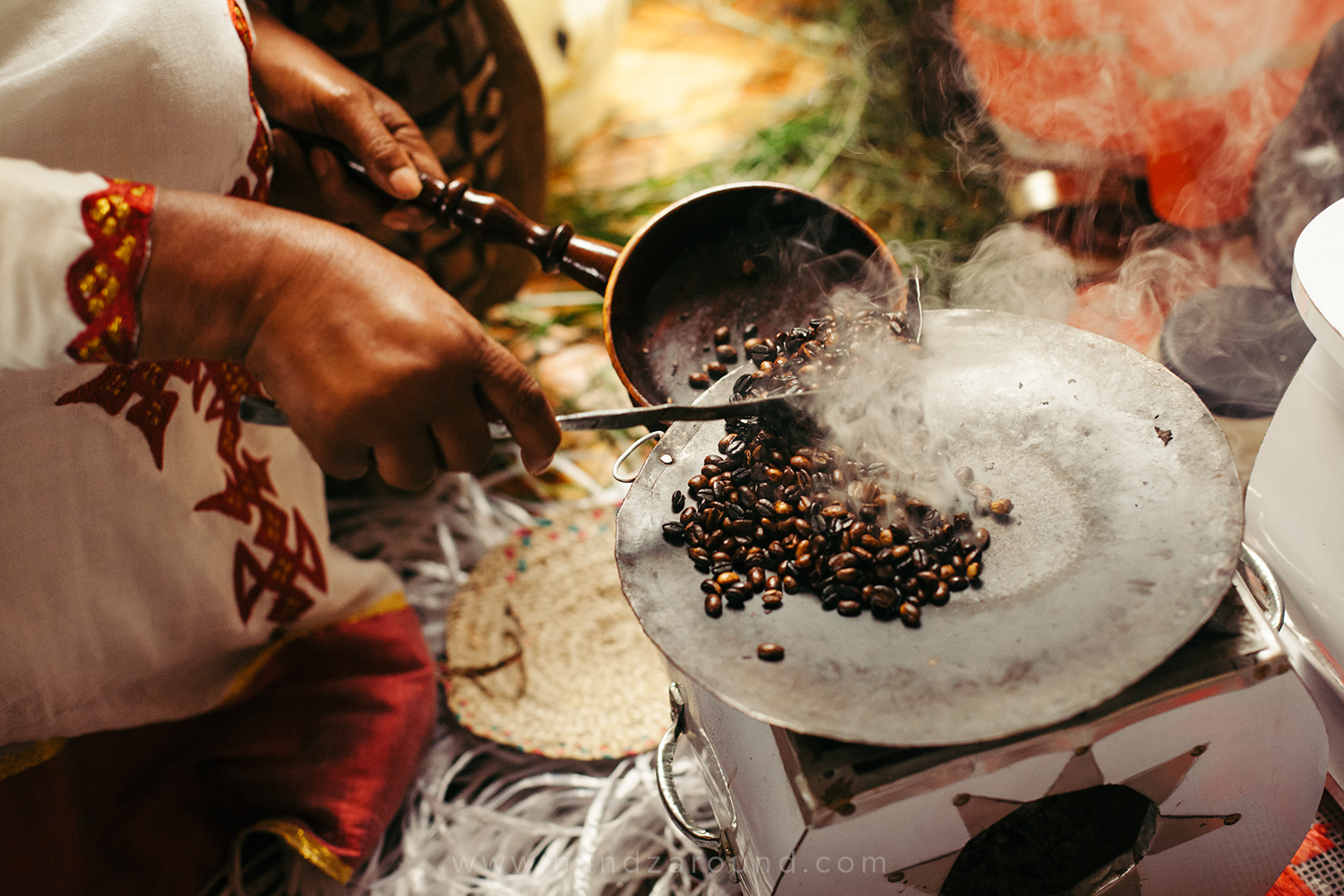
No story about Ethiopian culture would feel complete without mentioning coffee. Ethiopia is famous for its coffee traditions, and the traditional coffee ceremony is an important part of social life. During the New Year, families and friends may gather for a coffee ceremony at home. The ceremony usually begins with roasting green coffee beans. The rich smell of the freshly roasted coffee fills the room. The beans are then ground and brewed in a traditional clay pot called a jebena. The coffee is served in small cups, often with snacks such as popcorn or roasted grains. But the ceremony is about much more than coffee. It is a time to sit together, talk, laugh, and enjoy the company of others. During Enkutatash, the coffee ceremony creates a warm and welcoming atmosphere. Relatives who have not seen each other for a long time can sit together and share stories. A visitor may arrive as a stranger and leave feeling like part of the family. That is one of the beautiful things about Ethiopian hospitality.
Traditional Clothing and the Beauty of the Celebration
Enkutatash is also a time when many Ethiopians wear new or special clothes. For women and girls, the traditional Habesha kemis is a beautiful part of the celebration. The white cotton dress, often decorated with colorful woven borders known as tibeb, reflects the elegance of Ethiopian traditional clothing. Men and boys may also wear traditional white clothing or modern outfits for the holiday. The streets can become colorful with people dressed for church, family visits, and celebrations. For visitors, seeing Ethiopian families wearing traditional clothing during the New Year is a wonderful way to experience the country’s cultural beauty. The clothing, flowers, music, food, and family gatherings all come together to create the atmosphere of Enkutatash.
Enkutatash and the Importance of Family
For many Ethiopians, the New Year is deeply connected to family. It is a time when relatives come together, even if they live far apart. Children visit their parents and grandparents. Brothers and sisters meet. Friends and neighbors exchange greetings. Some people travel long distances to spend the holiday with their loved ones. Others may not be able to travel, but they still call family members or send messages to wish them a happy new year. For Ethiopians living abroad, Enkutatash can be an especially emotional time. It may remind them of their childhood, their hometown, their parents, and the traditions they grew up with. A simple New Year greeting can bring back many memories. It can remind someone of the smell of coffee at home, the taste of their mother’s cooking, or the sound of family members laughing together. This is why Enkutatash is so much more than a date on the calendar. It is a celebration of belonging.
A New Year Story: Returning Home to Ethiopia
Imagine an Ethiopian who has been living abroad for many years. Life has taken them far away from home. They have built a new life in another country, but they still remember celebrating Enkutatash as a child. They remember the yellow flowers. They remember the traditional food. They remember visiting relatives and hearing the New Year greetings. One year, they decide to return to Ethiopia for the New Year. As the plane arrives in Addis Ababa, they feel a familiar excitement. The sounds of the city, the people, and the atmosphere begin to bring back old memories.They travel to their hometown and arrive at the family home. Their mother is waiting. Their father is smiling. Relatives begin arriving, and the house becomes full of conversation and laughter. Coffee is prepared. Food is served. Stories are shared. The family sits together and talks about the years that have passed. For this person, the New Year becomes more than a celebration. It becomes a moment of reconnecting with family and remembering where they come from. The yellow flowers outside the house remind them of childhood. The coffee reminds them of home. The family gathering reminds them that some connections remain strong, no matter how many years have passed. This is the spirit of Enkutatash.
Enkutatash in Addis Ababa
Addis Ababa, the capital of Ethiopia, is a wonderful place to experience the New Year. During the holiday season, the city becomes lively with families, visitors, cultural activities, and preparations for the celebration. People travel from different parts of the country to visit relatives and spend time together. The city also offers many opportunities to discover Ethiopian history and culture.\ Visitors can explore traditional markets, enjoy Ethiopian food, experience a coffee ceremony, and discover the city’s historic and cultural attractions. The surrounding highlands offer beautiful scenery, especially during the seasonal transition around September. A visit to Entoto, the mountain overlooking Addis Ababa, can provide wonderful views of the city and a chance to experience the beauty of the Ethiopian highlands. For travelers who want to understand Ethiopia beyond its famous landmarks, spending time in Addis Ababa during Enkutatash can be a memorable cultural experience.
Enkutatash and Ethiopia’s Diverse Cultural Heritage
Ethiopia is home to many different cultural communities, languages, traditions, and ways of life. Although Enkutatash is the widely recognized Ethiopian New Year, different communities across the country also have their own traditional celebrations. One example is Gifaataa, a traditional New Year festival associated with the Wolayta people in southern Ethiopia. Gifaataa has its own cultural traditions, songs, food, and community celebrations. This is a reminder that Ethiopia’s heritage is wonderfully diverse. The New Year may feel different in Addis Ababa, Gondar, Bahir Dar, Hosaena, Arba Minch, or other parts of the country. Each community has its own customs. Each family has its own way of celebrating. And every tradition adds something beautiful to the cultural story of Ethiopia. For visitors, this diversity is one of the most rewarding things about exploring the country.
The Spiritual Meaning of the Ethiopian New Year
For many Ethiopians, Enkutatash is also a time of spiritual reflection. The Ethiopian Orthodox Christian tradition gives great importance to prayer, church services, and religious observances. During the New Year, many people attend church, give thanks, and pray for blessings for the year ahead. They may pray for peace, family unity, good health, prosperity, and happiness. For some people, Enkutatash is mainly a religious celebration. For others, it is a cultural holiday. For many, it is both. The important thing is that the New Year creates a moment to reflect on life and look forward with hope. It is a chance to think about the past year and the future. It is a chance to forgive, reconnect, and begin again.
Why Enkutatash Is Special for Ethiopians Abroad
For Ethiopians living outside the country, the New Year can be a very meaningful occasion. Even when they are far away from their homeland, many people continue to celebrate Enkutatash with family and friends. Some prepare traditional Ethiopian food. Some attend cultural gatherings. Some call their relatives in Ethiopia. Some teach their children about the Ethiopian calendar and traditional New Year customs. For the younger generation growing up abroad, Enkutatash can be a way to learn about their Ethiopian heritage. It helps them understand the traditions of their parents and grandparents. It gives them a connection to the country, the culture, and the family stories that came before them. In this way, the New Year continues to connect generations.
Why Visitors Should Experience Enkutatash in Ethiopia
If you are planning to visit Ethiopia, experiencing Enkutatash can be a wonderful opportunity to see the country from a different perspective. You can discover the beauty of the Ethiopian highlands during the flower season. You can learn about the Ethiopian calendar and the ancient traditions connected to it. You can enjoy traditional Ethiopian food and coffee. You can see families wearing traditional clothing and celebrating together. You can hear New Year songs and experience the warmth of Ethiopian hospitality. Most importantly, you can experience a celebration that is deeply connected to the people and culture of Ethiopia. Traveling during Enkutatash is not just about visiting a destination. It is about being part of a special moment in the life of the country.
A New Year Message from Ethiopia
As Ethiopia welcomes the year 2019, the country celebrates another beginning. The yellow flowers bloom across the highlands. Families gather around traditional meals. Coffee is prepared and shared. Children sing and celebrate. Friends exchange greetings. People remember the past and look forward to the future. Enkutatash reminds us that life is full of new beginnings. It reminds us of the importance of family, friendship, and cultural heritage. It reminds us that even after difficult times, there is always room for hope. And it reminds us that some of the most beautiful moments in life are the simple ones we share with the people we love. Whether you are in Ethiopia, living abroad, or planning your first visit to the country, the spirit of Enkutatash is a beautiful invitation to celebrate life and new beginnings.
Melkam Addis Amet 2019!
Happy Ethiopian New Year 2019! May this new year bring peace, happiness, good health, prosperity, and beautiful new beginnings to all Ethiopian families and friends around the world.
Experience the Beauty of Ethiopia with Sador Ethiopia Tours
At Sador Ethiopia Tours, we believe that discovering Ethiopia is about more than visiting famous places. It is about experiencing the people, culture, history, traditions, and beautiful landscapes that make Ethiopia so special. Whether you are interested in exploring Ethiopia’s ancient heritage, discovering traditional cultural celebrations, enjoying the beauty of the Ethiopian countryside, or reconnecting with your Ethiopian family roots, we are here to help you experience Ethiopia in a personal and meaningful way. From Addis Ababa to the historic northern highlands, from traditional coffee ceremonies to unforgettable family and heritage experiences, Ethiopia has so much to share. We invite you to discover the heart of Ethiopia and create memories that will stay with you for a lifetime.
Your Ethiopian journey begins here.
Happy Ethiopian New Year 2019 from Sador Ethiopia Tours!


Sisay Tilahun
Founder & Travel Specialist