Visit Ethiopia – Sador Ethiopia Tours

Eastern Ethiopia Destinations

Eastern Ethiopia Destinations

Bale Mountains

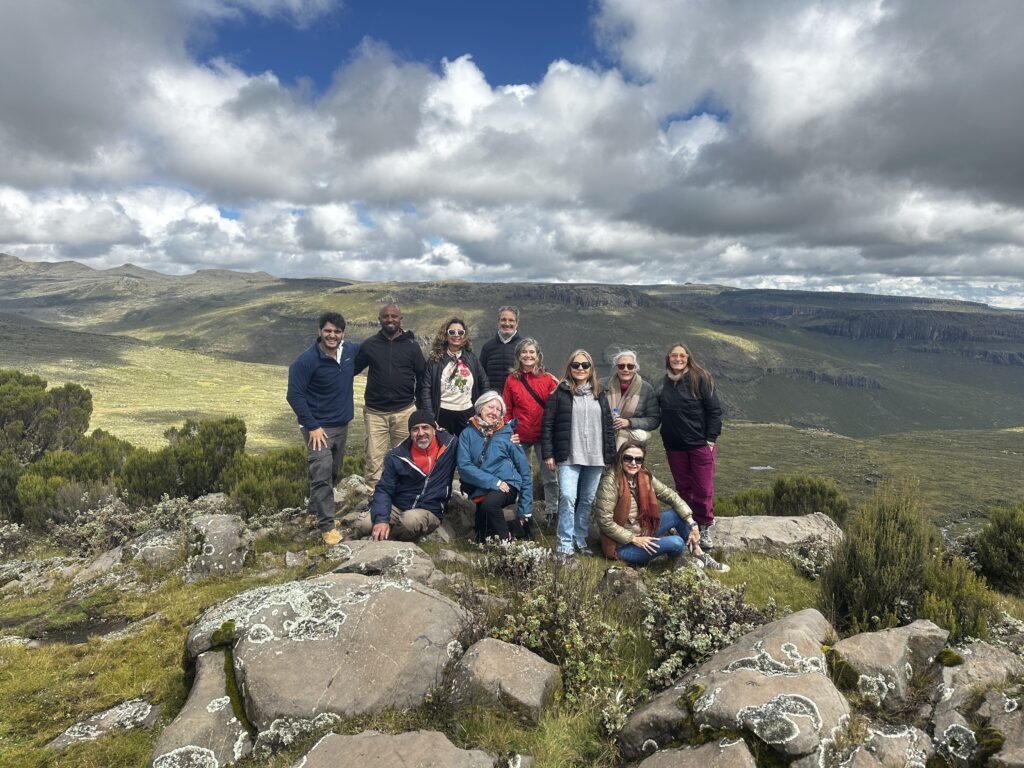
Bale Mountains Home Bale Mountains The BMNP’s wide expanse of Afroalpine habitat is the largest on the continent, and Its moist tropical forest is the second largest in Ethiopia. It harbours more endemic Mammals than any other similar sized area on this planet, and the largest populations of two of Ethiopia’s flagship species – the Ethiopian wolf, and the mountain nyala. However, it is not only for its unique biodiversity, alpine and forest ecosystems and cultural history that the Bale Mountains are important. The BMNP’s wide expanse of Afroalpine habitat is the largest on the continent, and Its moist tropical forest is the second largest in Ethiopia. It harbours more endemic Mammals than any other similar sized area on this planet, and the largest populations of two of Ethiopia’s flagship species – the Ethiopian wolf, and the mountain nyala. However, it is not only for its unique biodiversity, alpine and forest ecosystems and cultural history that the Bale Mountains are important. The Sanetti plateau is just one of five distinct and unique habitats of the Bale Mountains National Park (BMNP). To the south, the Harenna escarpment drops rapidly from 4,000m to 2,000m over a distance of just 8km into the serene and unexplored Harenna forest. The escarpment contains a patch of tree heath (Erica sp.) – a shrub common to the western world that grows to staggering proportions in the Bale Mountains. The Harenna forest is the second largest forest in Ethiopia and the largest cloud forest in the country, containing stocks of Ethiopia’s famous wild forest coffee. Wildlife is elusive here. To the north lies the Gaysay grasslands, as well as the juniper woodlands, home to the endemic and endangered mountain nyala, and many endemic birds. Ready to Travel With Real Adventure Check Availability

Eastern Ethiopia Destinations

Babile Elephant Sanctuary

Babile Elephant Sanctuary Home Babile Elephant Sanctuary With so many other things to see and do in Ethiopia, wildlife safaris have been kind of neglected in the country, despite the Great Rift Valley running up through Tanzania and Kenya right into the center of Ethiopia. While many people come to Ethiopia to see the afroalpine fauna, there are also plenty of traditional safari-type animals to see. Though lion spotting is not an activity that locals have developed, it is sometimes possible to see these beasts in Ethiopia. However, the real gem among Ethiopian safaris is the white-eared kob migration phenomenon where about a million of white eared Kob population seasonally moves across, Gambella National Park into South Sudan’s Boma National Park. When combined with other antelopes species this forms the second-largest terrestrial wild mammal migration in the world next to the Great Migration of the Serengeti and Massai Mara wildbeest migration. To witness this Serengeti-like experience, it is essential to come to Gambella National Park at the right time of year. The white-eared kob grazes in Gambella during the dry season from November to April and crosses the border south to South Sudan for the wet season from May to October. Ready to Travel With Real Adventure Check Availability

Eastern Ethiopia Destinations

Harar, The Living Museum

Harar, The Living Museum Home Harar, The Living Museum The fortified historic town of Harar is located in the eastern part of Ethiopia, 525 km from the capital of Addis Ababa, on a plateau with deep gorges surrounded by deserts and savannah. The walls surrounding this sacred city, considered “the fourth holy city” of Islam, were built between the 13th and 16th centuries and served as a protective barrier. There were five historic gates, which corresponded to the main roads to the town and also served to divide the city into five neighborhoods, but this division is not functional anymore. The Harar gate, from where the main streets lead to the center, is of recent construction.   Harar Jugol numbers 82 mosques, three of which date from the 10th century, 102 shrines and a number of traditional, Indian and combined townhouses with unique interior designs, which constitute a spectacular part of Harar’s cultural heritage. The African and Islamic traditions influenced over a long period of time the development of the city and its typical urban planning and contributed to its particular character and uniqueness. The present urban layout follows the 16th century design for an Islamic town with its central core occupied with commercial and religious buildings and a maze of narrow alleyways with imposing facades. The traditional Harari house has a typical, specific and original architectural form, different from the domestic layout usually known in Muslim countries, although reminiscent of the coastal Arab architecture, and with an exceptional interior design. At the end of the 19thcentury Indian merchants built new houses with wooden verandas that defined a different urban landscape and influenced the construction of the combined Indian/Harari houses. Their architectural and ornamental qualities are now part of the Harari cultural heritage.   Harar functioned as the capital of the Harari Kingdom from 1520 to 1568, became an independent emirate in the 17th century and was integrated into Ethiopia in 1887. From the late 16th century to the 19th century Harar was an important trade centre between the coast and the interior highlands and a location for Islamic learning. Ready to Travel With Real Adventure Check Availability

Eastern Ethiopia Destinations

Dire Dawa

Dire Dawa Home Dire Dawa Dire Dawa is located about 505 km from Addis Ababa and it is considered the second largest city in Ethiopia. It was founded in 1902 under the name of Addis Harar (New Harar) to service the Franco-Ethiopia railway that connects Djibouti to Addis Ababa. This was also the time that the first train number 403 had reached in the place where the city has founded the first historical village of Kezira by French Engineers. The history and modernization as well as other aspects of Dire Dawa are also started from the time the railway transport commenced.   Dire Dawa is nick-named in tourism as “the Queen City of the desert or the jewel of the railway.” It is divided into two distinct parts by the wide arc created by the wadi (normally dry watercourse) carved by the Dechatu River. Kezira, the French designed city center, lies to the west of the watercourse, and consists of a neat grid of avenues which emanate from the central square in front of the railway station, and which are flanked by shady trees and staid colonial – style buildings. The old Muslim quarter of Magala, traditional market area, by contrast, is more organic in shape and mood, with all alleys apparently leading to the colorful bustle of its vast and excellent central market. The two parts of the town are connected by a bridge in the north and by a seasonal causeway in the south. Though some tourists rush through Dire Dawa in transit between the airport and Harar, it’s a lively and interesting city, and the best base for visits to two major rock-art sites: Porc-Epic Cave, overlooking the Dachata River only 3km out of town, and the more remote Laga Oda. Ready to Travel With Real Adventure Check Availability

Scroll to Top