Lake Tana
Lake Tana
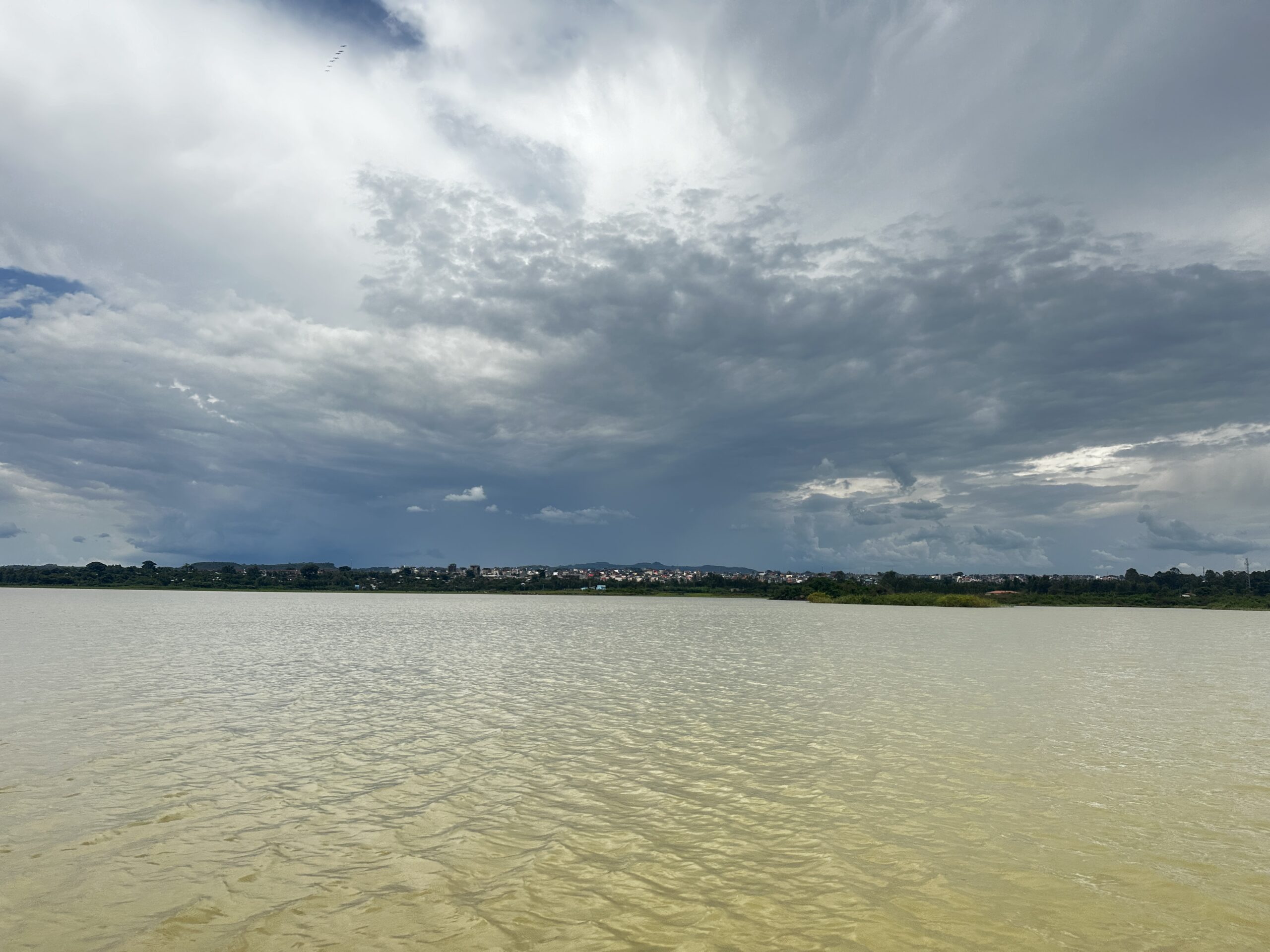
Lake Tana is Ethiopia’s biggest lake with a total area of 3,600 square kilometers and a maximum depth of 9 meters. The lake is also the source of the Blue Nile River which drains out of Abay Mench (Abay Spring). But the lake is more famous not only for its size and marine life, but also for its centuries old monasteries as far back as 6th century BC. About 20 monasteries are well kept and functioning in those different islands.
The inside of the churches are decorated with the most spectacular colorful wall paintings of stories from the Holy Bible and Ethiopian Saints. The museums in most of these monasteries are packed with rare and oldest manuscript, countless crowns, crosses and even mummified remains of medieval Ethiopian kings. The islands are inhabited by a variety of wetland birds, hippos, crocodile and other animals.
Interestingly, around 70% of the fish species in the lake are endemic. After all it is one of the four UNESCO biosphere reserves in Ethiopia since 2015. The monasteries on the lake are grouped into southern and central monasteries. The monasteries in the southern group, very close to the city; located on the outlet of the Abay River and on Zege peninsula. Debre Maryam, Kibran Gebriel, and the Zege Peninsula monasteries (Azwa Mariam, Entos Eyesus, Bete Mariam, Bete Giorgis and Ura Kidane-Mehret) belong to this cluster.
The central monasteries group is relatively far from the city. As the name indicates, they are located in the far eastern central part of lake. These monasteries in this group consist of Tana Kirkos, the decorated Narga Selassie on Dek Island, the historic Daga Estifanos and many others near to Gondar. Almost all the monasteries have their own museum full of centuries old valuable treasures.